
We domesticated animals about 10,000 years ago. We put blinders on them around that same time.
We did that because we understood something about animals; If we want them to do something well then we need to reduce the total amount of available stimuli.

A racehorse will not run as fast as possible if they can see another horse running right next to them. A Bull can't plow a field well if it notices a gorgeous Cow in the field nearby.
It might be uncomfortable to compare a student to a beast of burden but I think the analogy is appropriate. Like the horse and the bull, we are making students do things they would not be naturally inclined to do. We compound that problem if we give them a world of distraction.
If we took the blinders off the horse it would be a disaster but when we give a student a Chromebook we are saying "Ok - do the research you need to do to write your paper... but don't get distracted by the entire world of things that are available to you with the click of a button."
We try and reduce the distractibility of the laptop by restricting certain websites, as if removing a half of all the distractions would somehow make the other half not appealing.
We use apps like GoGuardian to monitor student activity and then admonish them when they follow their natural proclivity to do anything other than the work that they are being forced to do. This would be like taking one blinder off a horse and then yelling at them for getting distracted. The problem isn't the horse - it's us!
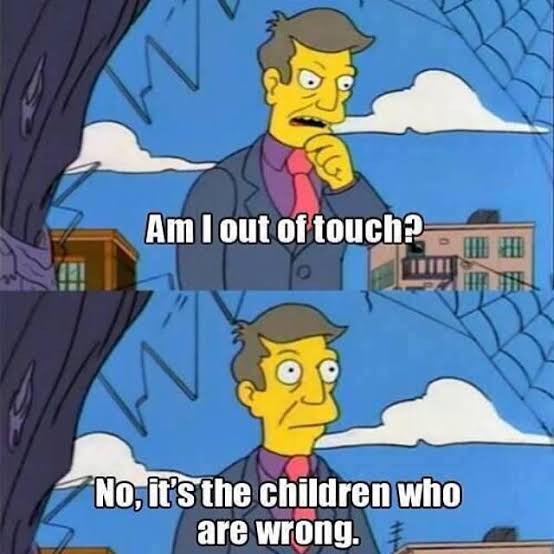
So much of the push in education in the digital age has been focused on the idea of expansion. We need to expand student's horizons. Expand what they can know. Expand what they can see and experience. Expand their engagement with the content through "edu-tainment" and other distractions.
I am not suggesting we completely eliminate laptops of all of educational technology (although I strongly encourage that). I am suggesting that what we need is a significantly greater focus on contraction.
Paper
Paper is a natural blinder. There is very little on a blank piece of paper that can distract a student. A blank piece of paper offers a space for focused endeavors. It is the point ahead to where the paper is filled that is the task in front of students.
Paper doesn't completely eliminate distractions. Students can scribble, doodle and pass notes. But these activities do not have the capacity for endless novelty and distraction that a laptop offers.
Those analog distractions exist but they are limited and they even offer a tiny bit of educational value; you need to write clearly enough to pass a note that your friend can read and doodling will at least strengthen your fine motor skills. I'd much rather have a bored student who doodles spaceships in the margins of his paper than a bored student looking for dank memes and playing video games.
But even with those limited distractions, at some point most students will engage in the work you've assigned. Blinders don't work because they completely remove all potential distraction, they work because they contract the area in which distraction can exist.
It has been a huge mistake in the last fifteen or so years to focus on eliminating paper as the center of the educational experience. The lack of ability to focus is not the students faults it is our fault for not recognizing that they need blinders in order to develop the capacity to focus. We haphazardly decided to eliminate the cornerstone of education for the last couple of thousand years and assuming that there would be no negative consequences.
The horse might not want to put the blinders back on but when they do they will eventually calm down and focus - we can return to paper and help students regain that focus that we took away from them. It might take a few weeks to adjust and a couple of years to return to a recognizable baseline but we can do it and we absolutely should.
Paper is a tool. The goal is constraint and contraction to harness students capacity to sustain attention. This doesn't just apply to students; I've found my thinking is fundamentally different when I write in my journal compared to when I type. Writing by hand seems to be accessing a different kind of thinking, maybe because the things I write by hand are specifically not going to be shared but I think the actual physical act fires the brain differently than clicking away at the keyboard.
Either way if you want you and your students to think more deeply, consider giving paper the prominence it still deserves.
What I've been reading - The Hunter.
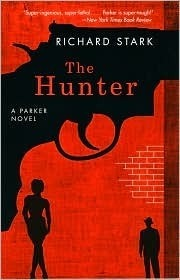
Crime Fiction usually centers around a very flawed protagonist with a slew of redeeming features. James Bond, for example, is at the heart of it a charismatic cold blooded killer who is doing what he thinks is right for King and Country. Parker is no James Bond.
He is far and away one of the worst protagonists I have ever encountered. There is nothing admirable about him and plenty to find completely disgusting. Despite that he is compelling for one reason; his tactical ruthlessness. It is so engaging to watch Parker unleash hell upon the world to get what he feels he's owed.
Mel Gibson basically played a version of him in the movie "Payback." which was very entertaining. But that version of Parker had some semblance of a moral core. This man has none.
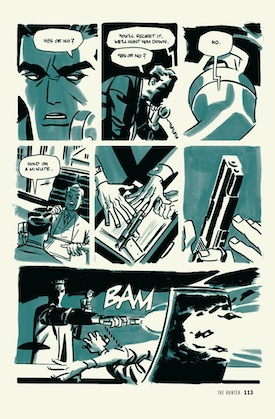
If that sounds appealing to you go check out the book here.
I’ve partnered with Bookshop.org for book recommendations because they support independent bookstores. If you purchase through my links, I receive a commission that helps support my writing at no additional cost to you.
Enjoyed this essay?
I write about science, education, technology, and the things I'm reading about twice a month. Subscribe to Lines of Inquiry and I'll send the next essay directly to your inbox.
Know a teacher or someone else who might enjoy this? Send it their way.

Member discussion: